A history of herbal medicine in the UK
The earliest texts on medicinal herbs come from Ancient Egypt and the healing systems of Ayurveda & Traditional Chinese Medicine. The five volume Materia Medica was written between 50 and 70 AD by Greek physician & botanist Dioscorides. Listing over 600 medicinal plants and various animal and mineral preparations, it served as a reference for traditional prescription for over 1,500 years.
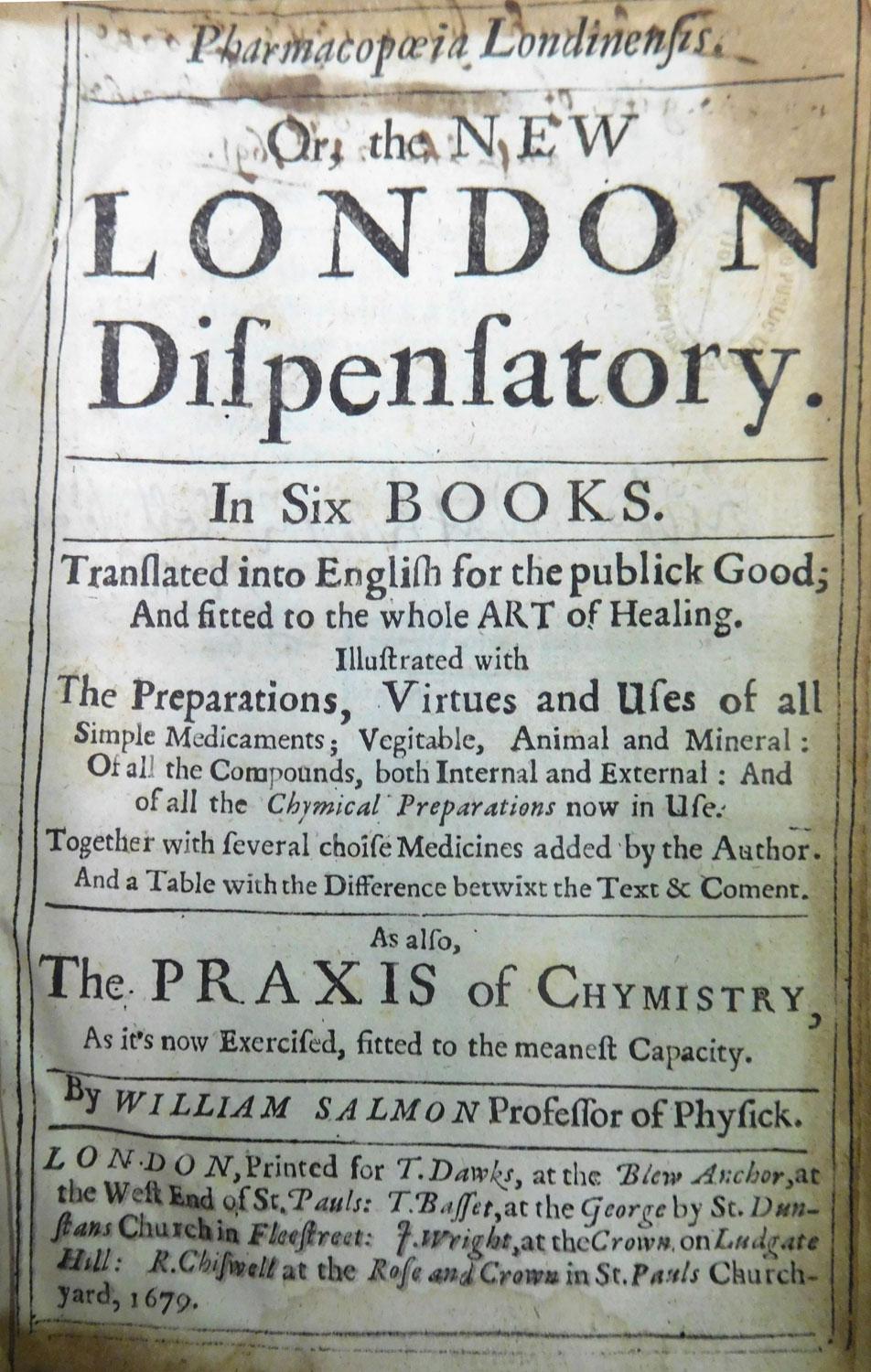
In 1618, the newly established Royal College of Physicians saw the Materia Medica toppled in favour of their own ‘Pharmacopoeia Londinensis’ A compilation of prescriptions for specific diseases, it used prevailing medical theories and aimed to standardise medical practice in England. Endorsed by royal proclamation of James I, the apothecaries were no longer able to dispense medicines based on empirical observation or traditional use. At penalty of the king, only those listed in the pharmacopeia could be dispensed.
Traditional medicine remained in practice nonetheless amongst the common folk who had handed knowledge down through the generations. Its banishment made little difference to many as prescription medications were less accessible to those of lesser means.
The British Herbal Medicine Association (BHMA) was founded in 1964 to advance the science and practice of herbal medicine in the UK. With its own pharmacopoeia and compendium published in 1971, it advocates the use of herbal products manufactured to pharmaceutical standards and played a key role in the integration of herbal medicine into the Medicines Act, 1968.